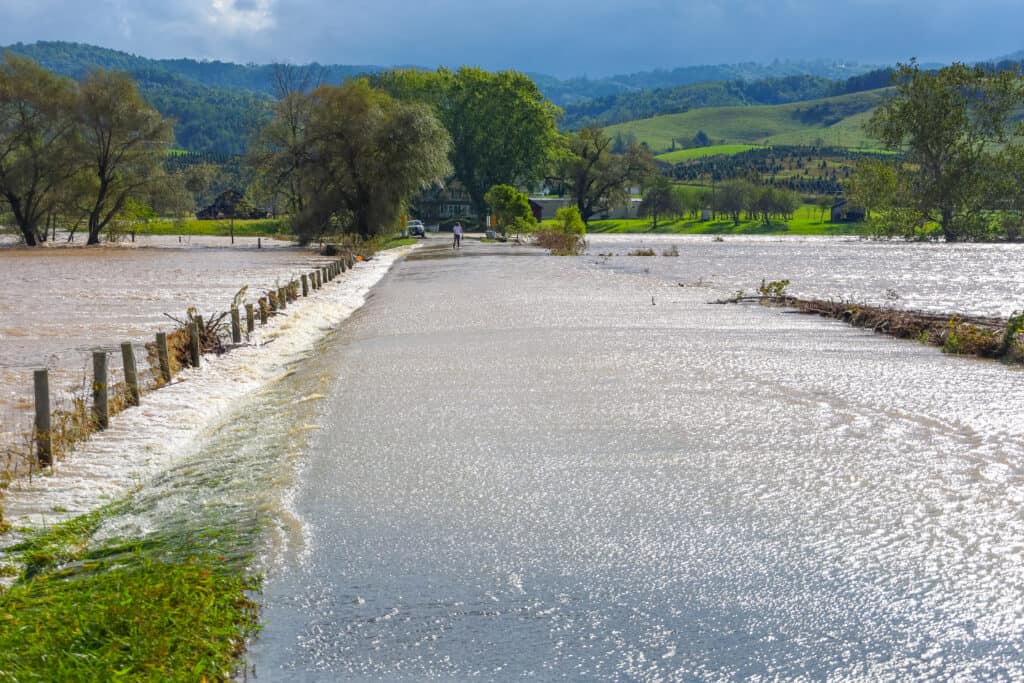

Flood insurance covers a specific type of water damage. It is not the same as homeowners insurance, and it is not the same as sewer backup or a slow leak. A flood policy is designed to cover direct physical loss caused by a qualifying flood event, subject to your policy’s definitions, limits, and exclusions.
Start with the big picture
Flood insurance generally splits coverage into two buckets:
- Building (structure) coverage: the physical building and certain permanently installed items
- Contents (personal property) coverage: the belongings inside (if you carry contents coverage)
If you have an NFIP policy, coverage is based on the Standard Flood Insurance Policy (SFIP) language and its specific rules.
What building coverage usually includes
Building coverage commonly applies to things like:
- The structure itself (foundation, walls, stairs, etc.)
- Electrical and plumbing systems
- Furnaces, water heaters, and permanently installed HVAC components
- Built-in appliances and cabinetry (when they meet the policy definition)
Exact details vary by policy form and by whether the policy is NFIP or private, so the final word is always your policy wording.
What contents coverage usually includes
Contents coverage typically applies to personal belongings such as:
- Furniture and household items
- Clothing
- Some electronics (subject to policy rules)
- Portable appliances
Contents coverage is not automatic on every policy and is often selected separately.
A critical detail: basements have different rules
Many policies treat basements and areas below the lowest elevated floor differently. With NFIP policies in particular, certain items may be limited in basements and below-grade areas. This is one of the most common sources of confusion when people assume “everything is covered.”
If you have a finished basement, ask this before you bind coverage:
“What is covered below grade, and what is excluded or limited?”
What flood insurance usually does not cover
Even strong flood policies have exclusions. Common exclusions can include:
- Damage from moisture, mildew, or mold that could have been avoided
- Temporary living expenses (often called “loss of use”), depending on policy type
- Currency, precious metals, and some valuables beyond certain limits
- Damage not caused by a qualifying flood event (for example, long-term seepage or maintenance issues)
NFIP SFIP exclusions and limitations are spelled out in the SFIP forms. Private policies can differ, but they still include exclusions.
NFIP vs private flood coverage: what changes
Both NFIP and private flood insurance can be legitimate flood coverage, but the structure can differ:
NFIP (SFIP-based)
- Standardized policy wording and standardized coverage rules
- Coverage limits can be constrained depending on building type
- Generally consistent from one NFIP policy to another
One example of NFIP limits that often surprises people: an SFIP can provide up to $250,000 building and $100,000 contents for certain residential situations.
Private flood
- Policy terms may be more customizable by carrier
- Limits, deductible options, and certain coverage features may be broader (or sometimes narrower)
- Underwriting and pricing are often more property-specific
Will a lender accept private flood insurance?
Often, yes, as long as it meets federal lending requirements for private flood insurance. Lender acceptance is about compliance and coverage equivalency, not the label “private.”
How to compare policies (use this quick checklist)
Before you choose a policy, compare:
- Building limit and contents limit
- Deductibles (and whether they are separate for building vs contents)
- Basement limitations
- Key exclusions
- Waiting period (if timing matters)
- Claims process and carrier strength
Final note
Flood insurance is one of those policies where the fine print matters. If you want, SaveFlood can help you compare NFIP and private options side-by-side so you can see coverage differences clearly before you commit.