
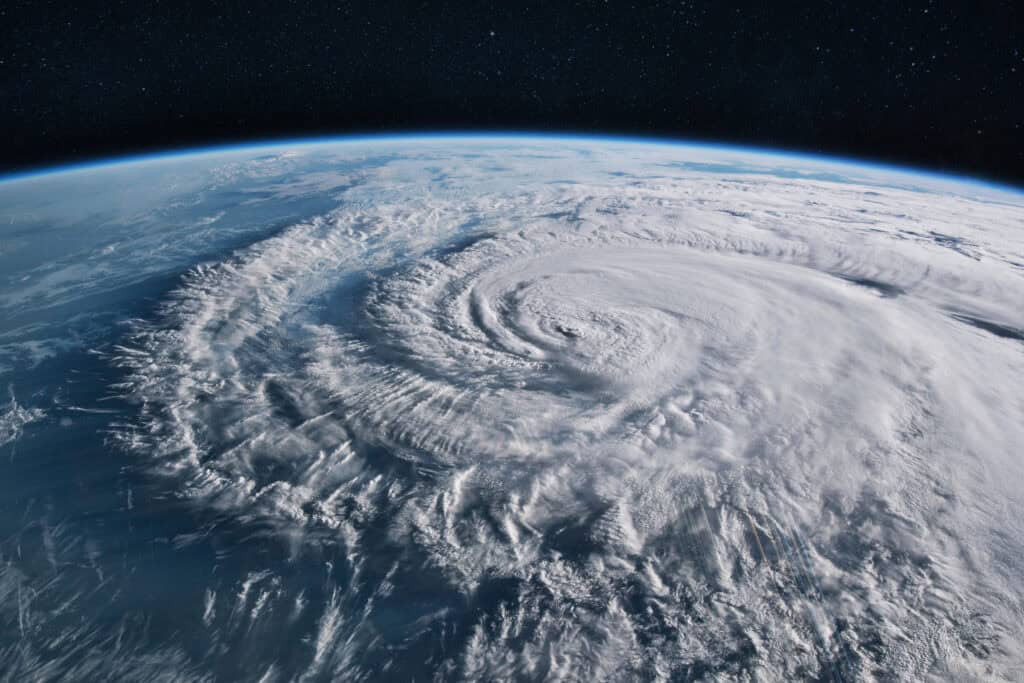
How to Prepare Your Home for Hurricane Damage
Hurricanes pose multiple threats to homes, including high winds, heavy rainfall, storm surge, and inland flooding. While no preparation can eliminate risk entirely, taking proactive steps before a storm can reduce damage, protect lives, and speed recovery.
Hurricane season in the United States typically runs from June through November, but preparation should begin well before storms form.
Know your risk
Understanding your risk is the foundation of hurricane preparedness.
Risk varies based on:
- Proximity to the coast or flood-prone waterways
- Local elevation and drainage
- Building construction and age
Even inland areas can experience severe flooding and wind damage from hurricanes and tropical storms.
Flood damage is often caused by rainfall and runoff, not just storm surge.
Review your insurance coverage
Before hurricane season:
- Confirm what your homeowners or commercial policy covers
- Understand wind, hurricane, and deductible provisions
- Verify whether you have separate flood insurance, as flood damage is not covered by standard property policies
Knowing coverage gaps in advance prevents surprises after a storm.
Prepare an emergency supply kit
A hurricane kit should support your household for at least 72 hours and include:
- Drinking water and non-perishable food
- Flashlights, batteries, and a battery-powered radio
- First aid supplies and essential medications
- Cash and copies of important documents stored in waterproof containers
If you have pets or special medical needs, plan accordingly.
Secure outdoor items
High winds can turn everyday items into dangerous projectiles.
Before a storm:
- Bring in outdoor furniture, grills, tools, and planters
- Secure or remove loose objects
- Trim weak or overhanging tree branches
- Clear gutters and drains to improve water flow
Reducing debris lowers the risk of structural and window damage.
Protect windows and doors
Windows and doors are among the most vulnerable parts of a home.
Consider:
- Installing storm shutters or impact-rated windows
- Using properly secured plywood if shutters are not available
- Reinforcing garage doors, which are especially susceptible to wind failure
Once windows fail, internal pressure can significantly increase structural damage.
Inspect and reinforce the roof
The roof is critical to protecting the structure below it.
Steps to take:
- Inspect shingles, flashing, and fasteners
- Repair loose or damaged materials
- Ensure roof vents and penetrations are properly sealed
A compromised roof allows wind-driven rain to enter and cause extensive interior damage.
Plan for evacuation and flooding
Have a clear evacuation plan before a storm approaches:
- Know multiple evacuation routes
- Identify safe destinations in advance
- Keep your vehicle fueled
If flooding occurs:
- Never drive or walk through floodwaters
- Evacuate immediately if authorities advise it
Just a small amount of moving water can knock a person off their feet or sweep away a vehicle.
Document your home before the storm
Before a hurricane arrives:
- Take photos or videos of your home and belongings
- Store documentation digitally or offsite
This can simplify insurance claims and speed recovery if damage occurs.
Stay informed during the storm
Monitor trusted sources such as:
- Local emergency management agencies
- National Weather Service alerts
- NOAA weather radio
Follow evacuation orders promptly and avoid unnecessary risks.
Final thoughts
Preparing your home for hurricane damage is not just about property protection, it’s about safety, financial resilience, and peace of mind.
Homes that are properly prepared often experience less damage, faster recovery, and fewer insurance complications. The best time to prepare is well before a storm appears on the forecast.