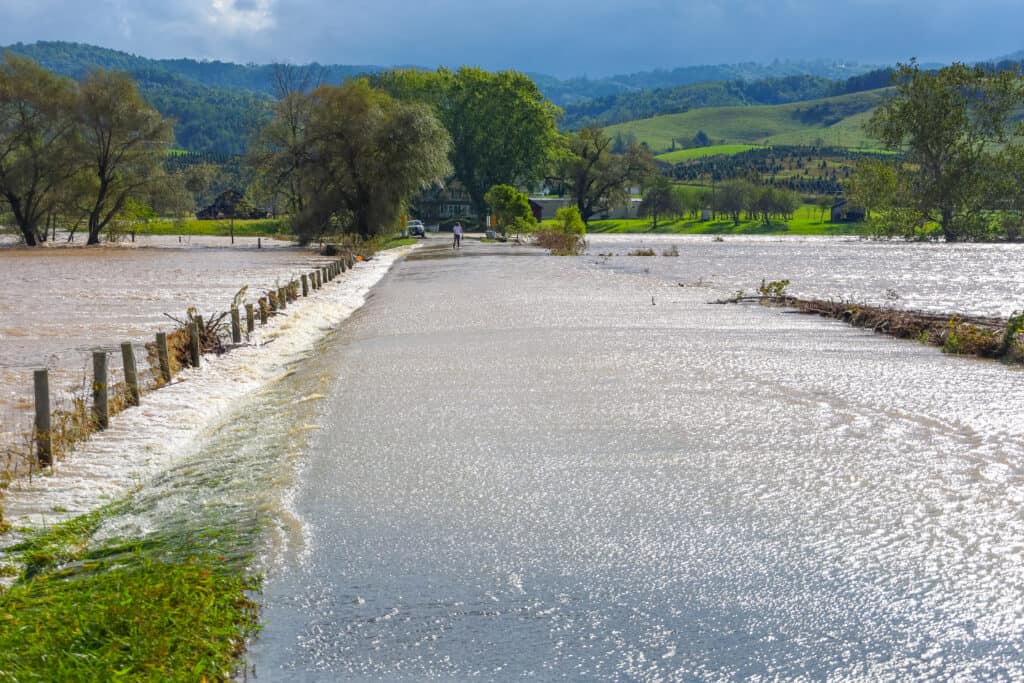
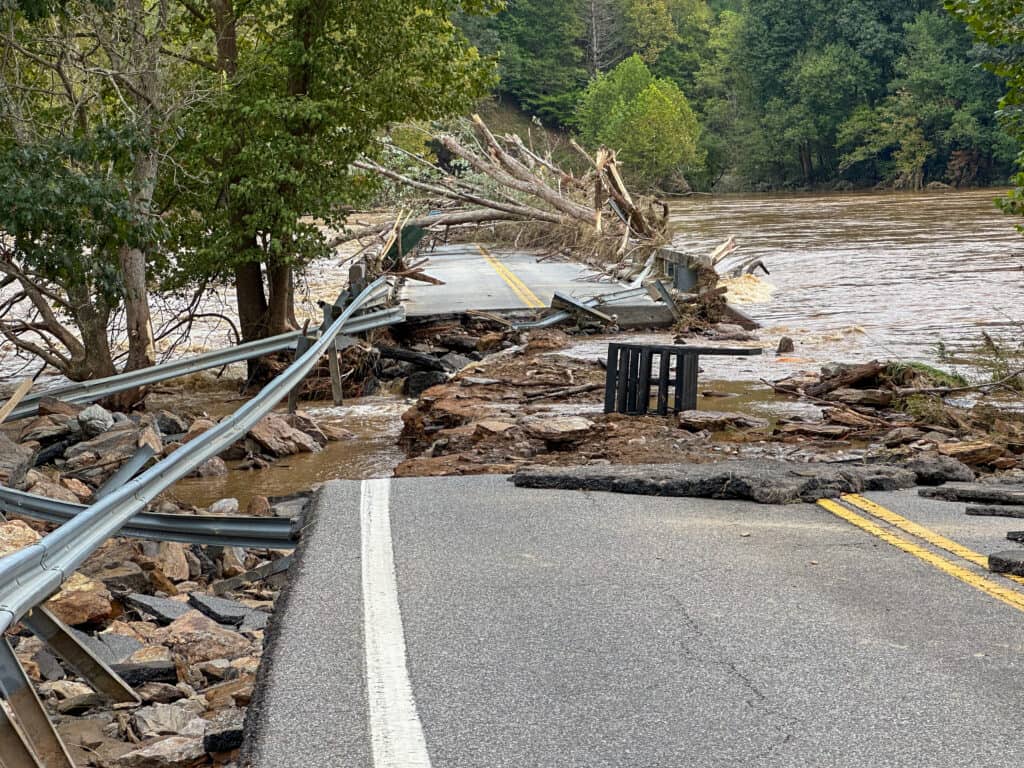
Flooding is the most common natural disaster in the United States and can occur almost anywhere. Heavy rainfall, rapid snowmelt, hurricanes, and overwhelmed drainage systems can all lead to flooding, sometimes with little warning.
Understanding how floods develop and knowing how to respond before, during, and after an event can significantly reduce risk to people, property, and long-term recovery.
Understanding Flood Alerts
Flood alerts are issued to help people take action before conditions become dangerous.
Flood Watch
Flooding is possible. Conditions are favorable, and residents should stay alert and prepared to act.
Flood Warning
Flooding is occurring or expected soon. Immediate action may be required to protect life and property.
Flash Flood Warning
Sudden, dangerous flooding is happening or imminent. Move to higher ground immediately.
Flash floods can occur quickly and may happen far from where rain is falling.
Preparing Before a Flood
Preparation is the most effective form of flood protection.
Stay informed
Monitor local weather alerts and emergency notifications. Keep a battery-powered or hand-crank weather radio available in case power or cellular service is interrupted.
Know your risk
Understand whether your home or property is in a flood-prone area. Review flood maps, evacuation routes, and local emergency guidance so decisions can be made quickly if conditions change.
Prepare your home
Take steps to reduce damage before floodwaters rise:
- Move valuables, documents, and electronics to higher levels
- Clear gutters, drains, and downspouts of debris
- Secure outdoor items that could be swept away
- Unplug electrical appliances if time allows
Build an emergency kit
Your emergency kit should support everyone in your household for at least three days and include:
- Drinking water
- Non-perishable food and a manual can opener
- Flashlights and extra batteries
- First aid supplies and essential medications
- Copies of important documents
- Supplies for pets
Plan ahead
Create a household communication plan and choose a meeting place in case family members become separated. Keep vehicles fueled and ready in case evacuation becomes necessary.
Staying Safe During a Flood
Floodwaters can be extremely dangerous, even when they appear shallow.
Follow all evacuation instructions from local authorities and move to higher ground before access routes are cut off.
Never walk, swim, or drive through floodwater.
Just a few inches of moving water can knock a person off balance, and as little as one to two feet of water can carry away most vehicles.
If driving, turn around when encountering flooded roads. If a vehicle stalls or becomes surrounded by water, abandon it if you can safely reach higher ground.
Returning After Floodwaters Recede
Flood-related hazards often remain after the water goes down.
Before entering a building, confirm that it is structurally safe. Watch for debris, unstable ground, and wildlife that may have entered structures.
Avoid contact with downed power lines and do not use electrical appliances that have been wet. Electrical systems should be inspected by a qualified professional before power is restored.
Floodwater may contain sewage, chemicals, or bacteria. Wear protective gear during cleanup and discard any food, beverages, or medications exposed to floodwater.
Flood Protection and Insurance
Even with preparation, no property is completely flood-proof.
Most standard homeowners and commercial property insurance policies do not cover flood damage. Flood insurance must be purchased separately through either the National Flood Insurance Program or the private flood insurance market.
Understanding flood risk and insurance options before a flood occurs can help reduce financial stress and support faster recovery.
Final Thoughts
Flood protection starts with awareness, preparation, and informed decision-making. Knowing what to do before, during, and after a flood can help protect lives, property, and financial stability when it matters most.